A Comprehensive Breakdown of the Themes in Surah Al-Fatiha According to Tafsir Al-Kabir
Understanding the Core Message of Surah Al-Fatiha
Surah Al-Fatiha, the opening Surah of the Quran, is one of the most recited and profound passages in Islamic scripture. Revered as the Umm al-Kitab (Mother of the Book), it encapsulates the essence of faith, worship, and divine guidance.
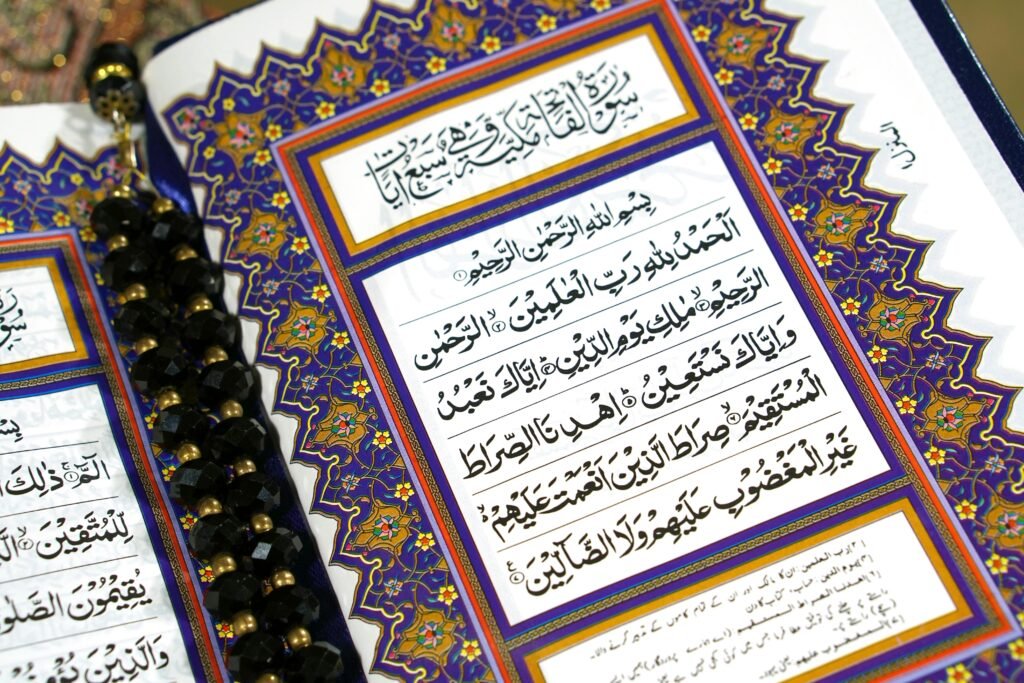
According to Tafsir Al-Kabir, the magnum opus of Fakhr al-Din al-Razi, Surah Al-Fatiha contains multiple themes, ranging from divine attributes to human dependence on Allah’s guidance. In this blog, we will provide a comprehensive breakdown of the themes in Surah Al-Fatiha Tafsir Al-Kabir, shedding light on its deeper meanings and spiritual significance.
Key takeaway: Understanding these themes helps believers connect with their faith on a deeper level and enhances the impact of daily prayers.
1. The Theme of Divine Lordship and Absolute Sovereignty
“All Praise is Due to Allah, the Lord of the Worlds”
Surah Al-Fatiha begins with an affirmation of monotheism (Tawhid) by declaring Allah’s supreme authority over the universe. In Tafsir Al-Kabir, Fakhr al-Din al-Razi elaborates on the implications of the phrase Rabb al-‘Alamin (Lord of the Worlds):
- Allah is the sole sustainer and creator of existence.
- His dominion is absolute, extending over all realms—physical and metaphysical.
- He alone is worthy of worship and gratitude.
This theme serves as a reminder of humanity’s dependence on Allah for sustenance, guidance, and mercy.
Reflection: Every time we say Alhamdulillahi Rabbil ‘Alamin, we reaffirm our faith in Allah’s supreme authority and acknowledge His countless blessings.
2. The Theme of Mercy and Compassion in Divine Nature
“The Most Merciful, The Most Compassionate”
A pivotal theme in Surah Al-Fatiha is Allah’s boundless mercy. In Tafsir Al-Kabir, Razi highlights the significance of the names Ar-Rahman and Ar-Rahim, which emphasize:
- Allah’s mercy as an all-encompassing force that sustains creation.
- His specific mercy towards believers who strive for righteousness.
- The idea that divine justice is always accompanied by compassion.
Unlike human mercy, Allah’s rahmah is infinite and unconditional. This reassures believers that repentance is always accepted, and no sin is beyond His forgiveness.
Spiritual insight: Recognizing Allah’s mercy fosters hope, patience, and gratitude, especially during trials and hardships.
3. The Theme of Ultimate Justice and the Day of Judgment
“Master of the Day of Judgment”
Surah Al-Fatiha reminds believers of life’s ultimate accountability. Tafsir Al-Kabir explains that:
- “Maliki Yawmid-Deen” signifies that Allah alone will administer justice on the Day of Judgment.
- The righteous will be rewarded, while the unjust will face divine consequences.
- This serves as a warning against heedlessness and moral corruption.
This theme reinforces the concept of divine justice, motivating believers to act righteously and uphold ethical values in daily life.
Personal application: Reflecting on this verse strengthens moral consciousness, ensuring that one’s actions align with Islamic principles.
Read: “Reasons Scholars Love Al-Tafsir Al-Kabir”
4. The Theme of Worship and Seeking Divine Assistance
“You Alone We Worship, and You Alone We Ask for Help”
This central verse of Surah Al-Fatiha highlights the essence of servitude (‘ibadah) and reliance (tawakkul) on Allah. Tafsir Al-Kabir breaks this down into two key points:
- Pure monotheism (Tawhid): Worship is exclusively for Allah, rejecting any form of polytheism.
- Total dependence on divine aid: Human strength and intellect are limited, making reliance on Allah’s guidance crucial.
This verse instills a sense of humility and spiritual surrender, emphasizing that no success comes without Allah’s help.
Reflection: Next time you recite this verse in Salah, reflect on how much you truly rely on Allah in your daily struggles.
5. The Theme of Guidance and the Straight Path
“Guide us to the Straight Path”
In the final section of Surah Al-Fatiha, the plea for guidance encapsulates the human quest for truth and righteousness. According to Tafsir Al-Kabir, this guidance refers to:
- The path of prophets and righteous believers (Sirat al-Mustaqim).
- A request for consistency in faith, free from deviation.
- Protection from the misguided paths of those who incurred Allah’s anger.
This theme reinforces the continuous need for spiritual direction, as even the most devout believers must constantly seek Allah’s guidance.
Takeaway: True guidance leads to success in this world and salvation in the hereafter.
Why Understanding the Themes in Surah Al-Fatiha Matters
Surah Al-Fatiha is more than just a daily recitation; it is a spiritual roadmap for every believer. By understanding its themes through Tafsir Al-Kabir, we gain a deeper appreciation of its significance in our faith.
Key lessons to remember:
– Allah’s sovereignty reminds us of our purpose.
– His mercy gives us hope and patience.
– Accountability keeps us mindful of our actions.
– Worship and reliance on Him strengthen our faith.
– Guidance is an ongoing pursuit that requires sincerity.
Order your copy of “The Great Exegesis: Al-Tafsir Al-Kabir – The Fatiha” today!
Share your reflections in the comments below!

